The Willingness to Listen a Little Longer
My education as a psychiatric nurse practitioner gave me a foundation in diagnostic assessment, psychopharmacology, and evidence-based treatment. Clinical practice has taught me to listen for the details that give that knowledge meaning: the history that emerges slowly, the hesitation before an answer, the hopes a person carries alongside their symptoms.
Each person brings a life that cannot be fully captured by diagnostic criteria. Learning to care for that complexity is work I continue to grow into.
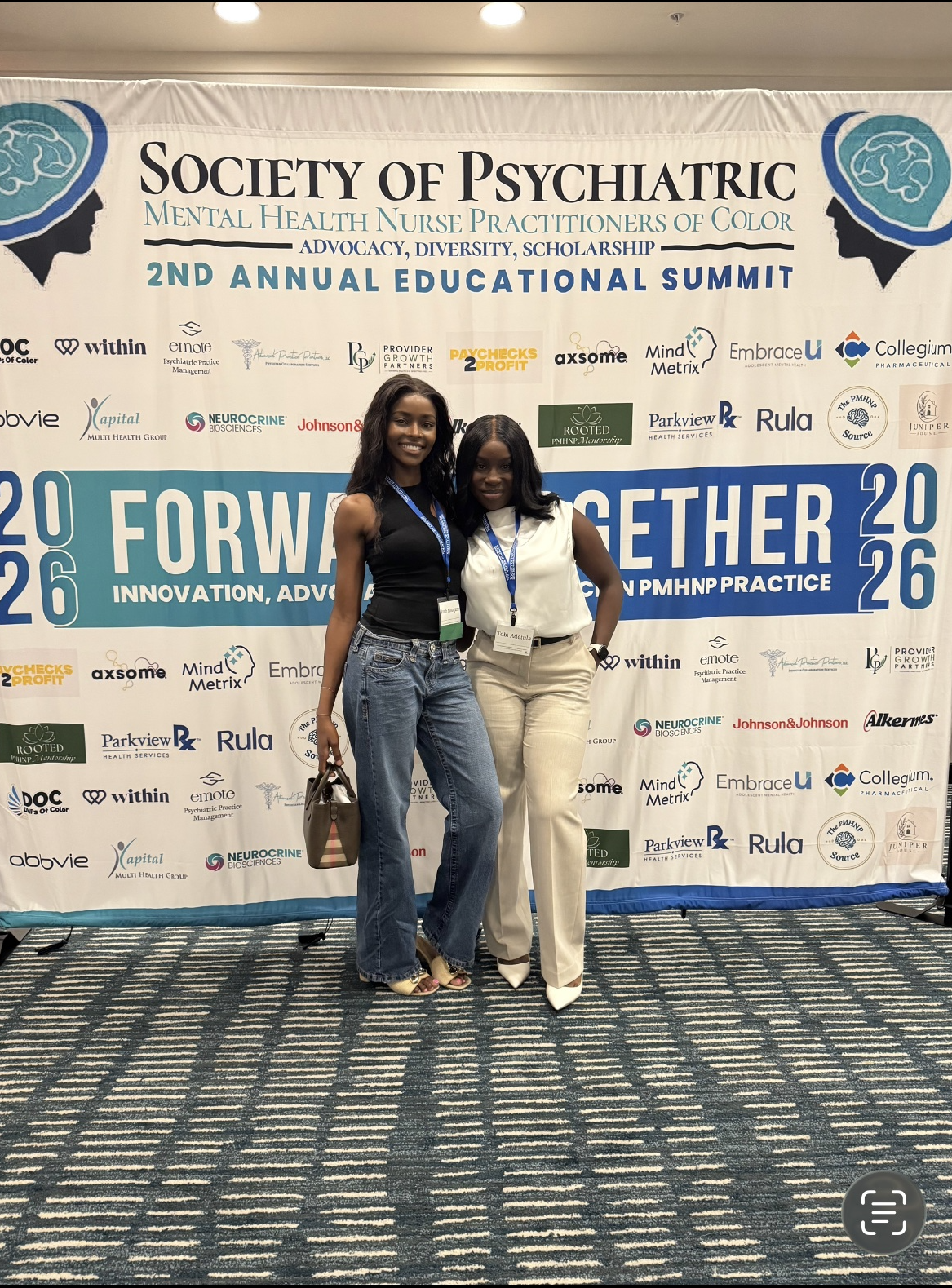
Recently, I had the privilege of attending a gathering of the Society of PMHNPs of Color in Nashville, Tennessee. Surrounded by fellow psychiatric nurse practitioners, pharmaceutical representatives, and medical science liaisons, I found opportunities to learn and a sense of connection that stayed with me long after I returned home.
Seeing so many accomplished leaders of color was especially meaningful. I felt encouraged by their presence, their expertise, and the paths they had made for themselves and for those coming after them. It gave me space to reflect on my own path—and on the care I hope to continue building at True North Psychiatry & Wellness.
Learning to listen more closely
There is a particular richness in learning from clinicians who have spent decades caring for people. Their experience comes through in the questions they ask, the possibilities they consider, and their willingness to sit with uncertainty.
I appreciated hearing how they approach overlapping symptoms, revisit diagnostic impressions, and make thoughtful medication decisions. These conversations brought me back to the patience psychiatric care requires. Understanding someone well means attending to their medical history, sleep, trauma, previous treatment experiences, and the circumstances of their everyday life.
It also means leaving room for what we have not yet understood.
I was moved by the ways these clinicians carry their advocacy beyond the appointment—into policy, community work, and efforts to make care more accessible. Their example invited me to think more deeply about where my own work can reach.
Making room for another person’s world
The gathering also renewed my commitment to cultural humility.
We each enter the clinical space with our own experiences, assumptions, and ways of understanding the world. Part of my responsibility is to recognize what I bring into that space and remain open to what a patient can teach me.
Culture, identity, faith, family expectations, and experiences of discrimination can shape how distress is expressed and whether seeking help feels safe. I want to make room for those conversations without assuming I already know their meaning.
For me, cultural humility lives in the willingness to ask, to listen, and to be corrected. It asks me to keep learning, even in familiar territory. When someone entrusts me with a vulnerable part of their life, I want them to feel that their experience has room to be heard in its fullness.
Keeping pace with a changing world
The digital world continues to expand around us, bringing new possibilities for psychiatric assessment and care. Screening questionnaires, symptom measures, and digital assessment tools offer additional ways to gather information and notice changes over time.
Staying current with these tools is part of my ongoing learning. So is understanding their limitations: whose experiences they reflect, how they have been validated, whether they are appropriate for the person being assessed, and how personal information is protected.
I want to use them with care. A score may give us a place to begin; the conversation that follows helps us understand what it means in someone’s life.
Even as our tools evolve, careful listening remains at the heart of my practice.
Finding community in the work
I also left Nashville reminded of how much this work depends on relationships.
Connecting with colleagues across the profession broadens my understanding of what is possible for patients. Deepening relationships with local therapists, neuropsychologists, and medical specialists helps me guide someone toward care that fits their needs.
When a person is already struggling, the search for another provider can feel heavy. I hope to make that next step a little easier through thoughtful referrals and a clearer sense of where they can turn.
There is comfort in knowing we have colleagues to learn from, consult with, and trust. Those connections become part of the care we offer.
What I brought home
I returned from Nashville with gratitude—for the knowledge shared, the conversations that made me pause, and the warmth of being among fellow PMHNPs of color.
I also returned with renewed intention.
I want to keep refining my clinical judgment, examining my assumptions, and staying open to new ways of understanding. I want to carry the encouragement I felt in that room into the quieter, everyday work of caring for patients.
At True North, that commitment takes shape one appointment at a time: in a thoughtful question, a careful assessment, a collaborative treatment decision, and the willingness to listen a little longer.